French electronic music is a broad scene, not one genre: it covers French touch, house, electro, techno, downtempo, EDM, and synth-pop-adjacent work. If you want a practical entry point, start with Daft Punk, Justice, Air, Jean-Michel Jarre, Laurent Garnier, Cassius, and Étienne de Crécy, then use playlists to branch by mood. The key is hearing how studio craft, club culture, and pop instincts connect.
Sections
The manual is to explore instead of memorizing random facts. Memorize decades, memorize names, memorize routes to go from 40 to club. The best way to categorize french electronic music artists is, not all french electronic artists dance the same.
What many of us miss is: for many, “French EDM” might be a generic label, but this term represents records for car stereos, stadium jams, underground rave sets, and pop hits. Embrace “French EDM” as a guide and go on a personal journey. Then listen to it by its mood, feel, and time period.
Introduction
These days, French electronic music and French electronic music enjoy international notoriety and official cultural status as per DJ Mag’s coverage of French electronic music’s UNESCO listing as well as Billboard’s article on France’s heritage designation. Electronic music is not an after-hours activity anymore; it’s living cultural heritage.
You could start your deep dive by groupings, with french electronic music artists(Daft Punk, Justice)in mind if you’re looking for club and EDM, Air if you want to chill, or Laurent Garnier if you want the serious club history. If you like to test out something before you commit to buying it, Apple Music and Spotify have plenty of picks.
What French Electronic Music Means Today
Basically, it’s an umbrella term, which can mean house, electro, techno, EDM, synth-heavy pop, experimental ambient, filtered disco club music, whatever, that depends on who’s speaking. french electronic music artists will cross over between all of these sub-genres, so one genre name often misses the forest for the trees.
That’s what the “French Touch” really refers to. There was a specific movement, the ’90s and ‘00s, where the filtered, disco house beats were accompanied with a warm, funky bass lines and classy, tasteful, sampled hooks. “French EDM” is just the catchphrase that some of you might use when you refer to your favorite pop electronic dance music coming out of France. It’s not really a genre name at all.
A Short History: From French Records To Global Dance Floors
Obviously, this is a short tale but one that inevitably connects to the wider history of French music from its avant-garde laboratory work to the ongoing rotation of club records on the dance floor. It was Jean-Michel Jarre, first, who set about establishing this large, melodic, and open electronic musical language. The club producers who followed, then, would build upon it by digging up, sampling, editing, and reshuffling old records and drum machines to create a lexicon of the dance floor capable of being shipped and traded.
French labels, record stores, DJs, and a myriad of various compilations were also fundamental to the distributional process of a song going from one place to another. By the 1990s, electronic music created in France started going global; the French techno artists have gained a level of acclaim internationally from their marathon DJ sets, their performances at electronic music festivals, and transcontinental networks of clubs. This is not as much as a story of a single, seminal act as it is of a movement that has endured over time.
The French Touch Breakthrough
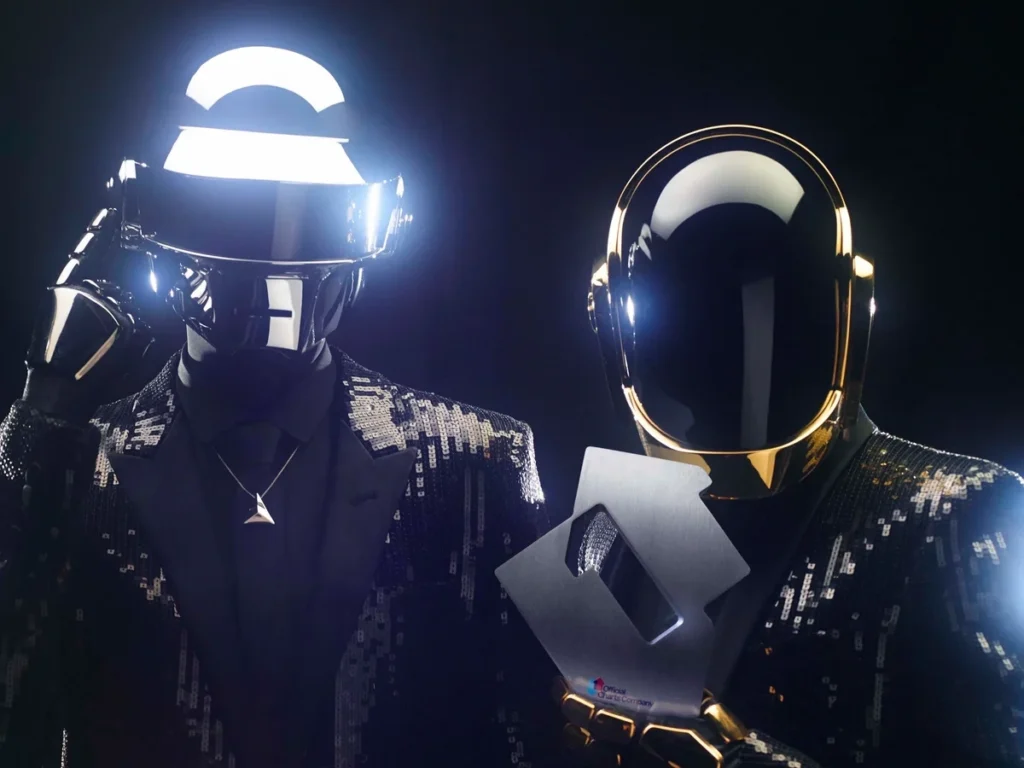
Daft Punk, Air, Cassius, and Étienne de Crécy created this moment of “French Touch” which was both a fashion and a physicality, and was very specific. The sound of the movement, a type of filtered disco house, has so distinct that it spread into advertisements, into movies, into pop culture, and at the same time, it also kept close to the club and to the DJ set. French techno artists are still often first categorized in this group with others who participated in this movement; in one way, this movement still shapes the global public image of dance music that hails from France.
Recognition As Cultural Heritage
It is important that France categorizes this particular electronic dance music as an intangible culture because it acknowledges that club culture is not a mere consumer product; it is a culture. DJ Mag, Billboard, and numerous other music websites and magazines have reported that this decision will serve as an acknowledgement that there exist not only DJs, not only clubs, not only electronic music festivals, not only electronic dance music studios and companies, but also communities built around them. In other words, with this, this designation bestows on French techno artists a kind of legitimacy that extends far beyond the time spent within the walls of one nightclub or at a dance marathon.
Essential Artists To Know
To appreciate the size and synthesizer-obsession of the movement, listen to Jean-Michel Jarre first, then to the Daft Punk robot pop gods, the angry electro assault of Justice, the classy downtempo of Air, the foot-tapping house music of Cassius, or French DJ of substance Laurent Garnier. Each one represents another way in to this world.
So where is this all leading, for you specifically? If you love Daft Punk, start there, but it shouldn’t represent the endgame. Go harder with Justice, expand your horizons with Air, seek your authentic French techno credentials with Garnier, or mix a little bit of club rhythm and pop hooks with Cassius.
Beyond Daft Punk
Go with Justice for a high-octane, aggressive electro-rock workout with huge riffs and long builds, Air for something more cinematic and laid back, suitable for an early morning or late night, or Garnier if you’re in need of some deep French techno, as his stuff prioritizes long DJ sets, consistent groove, and the distinction between a radio hit and a proper dance-floor journey.
French Techno And Club Culture
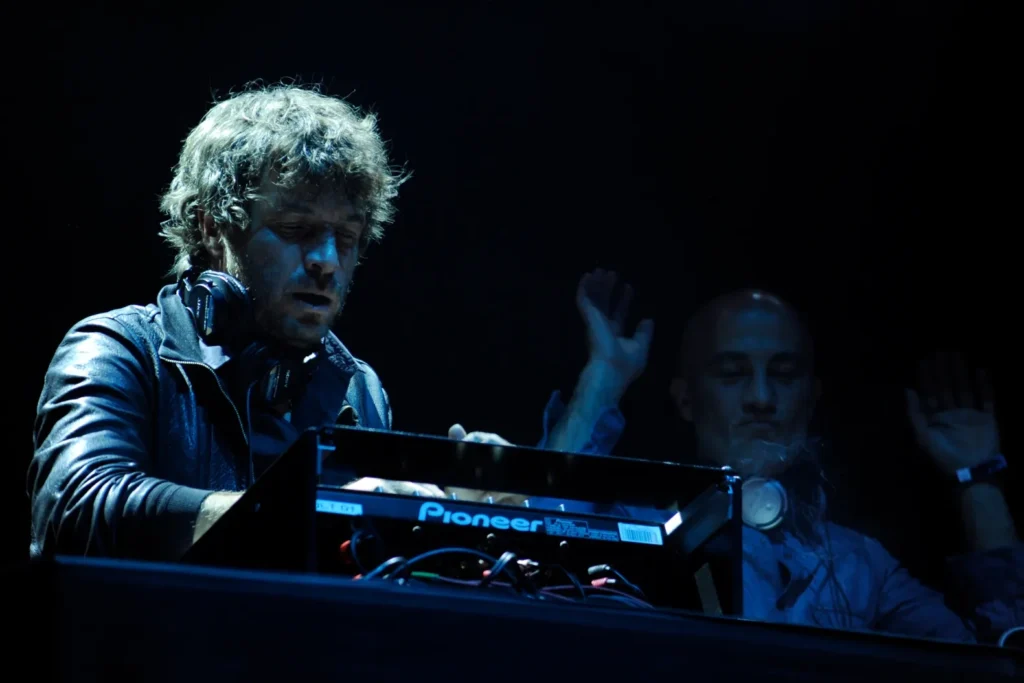
Though French techno is part of the greater electronic music scene in France, it is not as pop-oriented. This music is geared toward the club, specifically, the nightclub experience (DJ mixes, festivals, lengthy sets, big sound systems, etc.). Of course, Laurent Garnier is the first name you may hear in regards to this genre, but if you wish to discover more underground French techno acts, then check out DJ mixes, labels, and club events of recent times.
French techno artists value song structure, like French electronic bands that feature catchy hook-like melodies as part of their songs. An excellent performance will probably begin with a slow, subtle buildup through suspenseful drum elements, background textures, and only several easily identifiable components. This may seem somewhat disappointing in contrast with Daft Punk and Justice, but you’ll likely enjoy the music if you give it the attention and concentration it merits. You can get a glimpse of the evolution of club music culture via such compositions.
French EDM, Electro House, And Playlist-Friendly Tracks
When it comes to more accessible tracks, a good place to start is with crossover producers or electro-house compilations, like Spotify’s Top 100 French Electro House compilation for a specific, high-energy lane or Apple Music’s Best of French Electronic Music playlist for more open discovery.
“What’s that one French song everyone knows?” For many people, that tune is “One More Time,” by Daft Punk, which has a strong vocal hook, an energetic House production, and a very mainstream pop song structure. So if you enjoyed the tune, I’d recommend a listen to Justice first, before diving into French techno.
Where To Start Listening
Try a mood-based playlist sequence that starts with classics to master the French Touch of dance beats, down-tempo for a vibe, electro house for a workout, and club sets for endurance. This method is more effective than merely tracking the order of history and remains grounded in the development of the French dance music scene.
Take that advice. For Apple Music or Spotify subscribers, look at if a playlist is comprised of distinct artists, if it is sequenced correctly, and if it is long enough, with enough older tracks, to provide context for the hit tunes. For bought and downloaded records and tracks, look at a track list, different versions, sound format, and existing library overlap.
How To Choose A Playlist Or Compilation
Choose Apple Music for its ability to browse all genres, all eras and many prominent artists. Or select Spotify’s electro house playlist for something a little more limited, geared toward fitness or the club experience. There are four considerations: the eras covered, the sub-genres, a mix of artists and the sequence of a track list. An introductory level playlist will feature more recognizable tracks and gradually shift toward less-known songs.
Why France Became So Influential In Electronic Music
Here’s how France became influential: the studio as a laboratory; a robust DJ culture; label ecosystems and a sense of visual design; the means for dance music to penetrate the larger pop culture. This wasn’t a unique incident: the intersection of underground credibility and broad market appeal is what rendered French dance electronic music so influential globally.
Here’s where it gets interesting: that acknowledgment of history lends some of the legitimacy that producers and dancers have accrued over time, but this is an impact that was already being felt around the world; France created an electronic music that was cinematic, it was fashionable, it was physical, it was a globally marketable product. That means there are many different ways to enter it in this day and age.
Frequently asked questions
What is French EDM called?
A particular track of French EDM will either be referred to as French EDM, electro house, or be considered a sub genre of the larger French electronic music genre. When people speak of “French touch,” they are specifically referring to the house music scene with its heavily filtered disco samples, as represented by artists like Étienne de Crécy, Cassius, and Daft Punk.
Who are the French electronic musician?
Many top electronic music producers and artists hail from France and are famous in the genre. These names include Cassius, Étienne de Crécy, Laurent Garnier, Daft Punk, Air, and Jean-Michel Jarre. When considering your start for entry, I suggest that you begin with Jean-Michel Jarre for his importance on the history of synthesizers; Daft Punk for mainstream recognition; Air for their ambient feel; and Laurent Garnier for his contribution to the French nightclub scene.
Why are the French so good at electronic music?
The success and reputation of France’s electronic music producers derives from their ability to merge expertise in production for the live studio environment with a strong danceable beat, as well as a clear visual branding and a knack for songwriting. The genre of French electronic music is also known for very stylized production values, and this has given French electronic music producers the ability to distinguish themselves as individual and unique producers and not just one of many nameless producers.
What’s that one French song everyone knows?
For French dance music, the most popular track in the genre is Daft Punk’s “One More Time.” This song by the French band represents the epitome of a feel good, catchy, and easy to understand song. The song was made by a band that began in the club environment and has since been introduced to and embraced by mainstream pop audiences.
What is the best French electronic music playlist for beginners?
A good playlist starter for a novice French electronic music listener could be the Apple Music curated playlist which features a larger and more diverse selection of French artists. For a stronger electro house playlist experience, you would be better off trying the French electro house compilation list on Spotify. Give both a listen, and pick the artists you find yourself returning to the most to add to your personal playlist collection.
The French French electronic music movement isn’t one genre, or even limited to the French superstar band of Daft Punk; it is rather a long line of music experimentation, dance music production, pop success, and global influence. A good place to start is in the classic songs of the French Touch movement and then to begin looking for other genres of French electronic music, like French techno playlists or French downtempo music tracks or French electro house albums or even a latest French EDM playlist, to get the full feeling of the French electronic music genre and scene. After hearing these artists and seeing their cultural influence, and then trying some listening styles to get you to the artists you like the best, it is clear that France has had a huge impact in the world of electronic music, and starting your own French EDM playlist can be done by picking a mood you’re in at the moment and finding a playlist for it, then choosing French EDM songs that you’d really enjoy.